
Effective treatment for chronic pain in Devon & Cornwall
Move Without Fear | Move Well | Move More
In Person in Exeter and Truro & Online from Anywhere
01392 982598
A more modern approach to treating pain
Most people with persistent pain will be familiar with the term ‘pain management’ but working together with our patients we prefer to ‘treat’ persistent pain rather than simply ‘manage’ it. And this is actually easier than it sounds when the focus is on helping a whole person who is suffering, distressed and struggling in life rather than just the body part that hurts. We follow a modern, biopsychosocial philosophy using a team of specialists in pain physiotherapy, psychology and pain medicine to really understand the route causes of our patients’ problems, and deliver effective, life-changing treatment.
Pain is always real (it’s exactly what the sufferer says it is), it needs to be unpleasant in order to grab your attention and happens when your brain (mostly subconsciously) concludes that, on balance, your body is somehow under threat. Pain perception is certainly influenced by tissue quality but this is only to a limited degree in many cases and especially the longer a pain problem has gone on. It always involves your immune, autonomic and endocrine systems and is shaped by emotions, prior experiences, beliefs and expectations as well as the social context of the sufferer. Developing a more accurate understanding of why we feel bodily symptoms, one that decreases fear and encourages movement without thoughts of causing harm, is a vital part of feeling better again. Improving sleep quality, lifestyle habits as well as all aspects of physical and mental wellbeing can have really profound effects on how we feel and function.
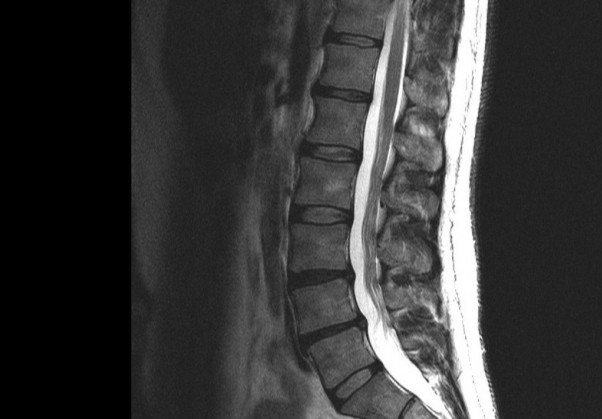
Unfortunately, the mainstream medically-focused view of pain often fails to appreciate the real underlying reasons for how and why we perceive bodily symptoms. The general assumption underlying this approach is that pain is simply a result of damage to tissues and that scans and other tests will identify the problems so that medicine and surgery can put things right again. You cannot scan pain, in the same way that you cannot scan hunger or fatigue; pain is a perception, not a direct sensation caused by something that is structurally wrong with the body.
What patients in pain are telling us
Our patients often describe their previous experiences of healthcare as quite negative . Here are some of the main things they tell us about their previous encounters with the medical world in general:
“I didn’t feel believed”. Our patients invariably tell us that they have not been properly listened to, that they do not feel believed and that they have not had their experiences properly validated. We will always validate your experiences as real. However, questioning why you feel persistent pain may well be useful.
“I was made to feel that this was in some way my fault”. Overcoming health problems, including pain, can be a real challenge. You should certainly not feel like you are to blame.
“I have not been able to make sense of my symptoms.” Communication needs to involve simple and understandable terms that make sense to the patient. Patient/clinician trust and collaboration is vital for good outcomes.
“Everyone I have seen tells me something different”. Patients often say they get passed between lots of different clinicians or services. There is a sense that each ‘specialist’ has their own viewpoint which somehow contradicts what the last person has said, leaving patients confused and frustrated.
“Doctors seem quite negative about my prognosis”. Patients tell us that they want optimistic support which inspires hope and the possibility of change whilst at the same time being realistic.
“I left the consultation feeling more anxious.” Too often patients tell us about quite negative messaging from previous healthcare providers leaving them more anxious than they already were. And often in more pain as a result due to a nocebo effect (opposite of placebo).
“I want a proper solution, not more medicine or injections.” Most patients want to feel reassured and empowered, and actually change their lives without having to rely on medication and invasive medical or surgical procedures.
Our patients are the real experts
We explain to patients that they are the real experts in the patient/clinician relationship. They are the only ones who can really know moment to moment how they feel, how this affects them emotionally as well as physically and how it interferes with their lives often in an overwhelming and all-consuming way. But persistent pain can be a very confusing experience for the sufferer and often very hard to communicate to others. So, working as a team, with us looking in from the outside, alongside our patients’ own very intuitive sense of what is going on, provides the best opportunity to make real progress. In this way the patient is always at the centre of a shared decision-making process in their care alongside our reassurance, guidance and coaching. Ultimately, they are often the ones who end up working things out for themselves, learning all the relevant physical, lifestyle and mental skills required to improve their pain and live more meaningful valued lives again.
Specialist Pain Clinics in Devon & Cornwall
Research clearly shows that treatment for persistent pain is most effective when delivered by a team of specialists working together with the patient who ultimately makes informed decisions about their own care. An assessment with our Specialist Pain Physiotherapist or Pain Doctor is how most people access their treatment with us. This is ideally in person to start with although can be accessed online if needed. As well as taking into account physical and medical considerations, your assessment will also touch on how thoughts, feelings and emotions could be affecting your pain. For many patients this is at a basic level encouraging them to reappraise how pain relates to bodily health in what is often a more accurate and healthy way. For a small number, however, deeper psychological difficulties can be a barrier to effective treatment if not dealt with adequately and they may require more involved therapy with our psychology team. With persistent pain, structural problems with the body are usually not the main issue and so whilst a well thought out medication regimen could provide a really useful short term window of relief, it is something that we usually want to taper and eventually cease as other treatments, that are more effective long term, start to take effect.
Scroll down for more details about how our treatment services work.

In person, thorough, specialist physio for persistent pain

A great deal of what we do can be done remotely and the outcomes are still excellent

Psychotherapy and psychology in person and online
We work in collaboration with patients’ own GPs and other existing specialists
Pain Clinics in Exeter and Truro
Our aim is to do everything we can to make you feel relaxed and comfortable on your visits. Our patients are always treated with empathy, dignity, respect and privacy.
We have consulting rooms in The Health & Wellbeing Innovation Centre in Truro and in Holmedale Health in Exeter.
We also see a great many patients online and their outcomes are just as good in the vast majority of cases.
Our mission is to deliver world class treatment programmes for patients struggling with persistent pain.